
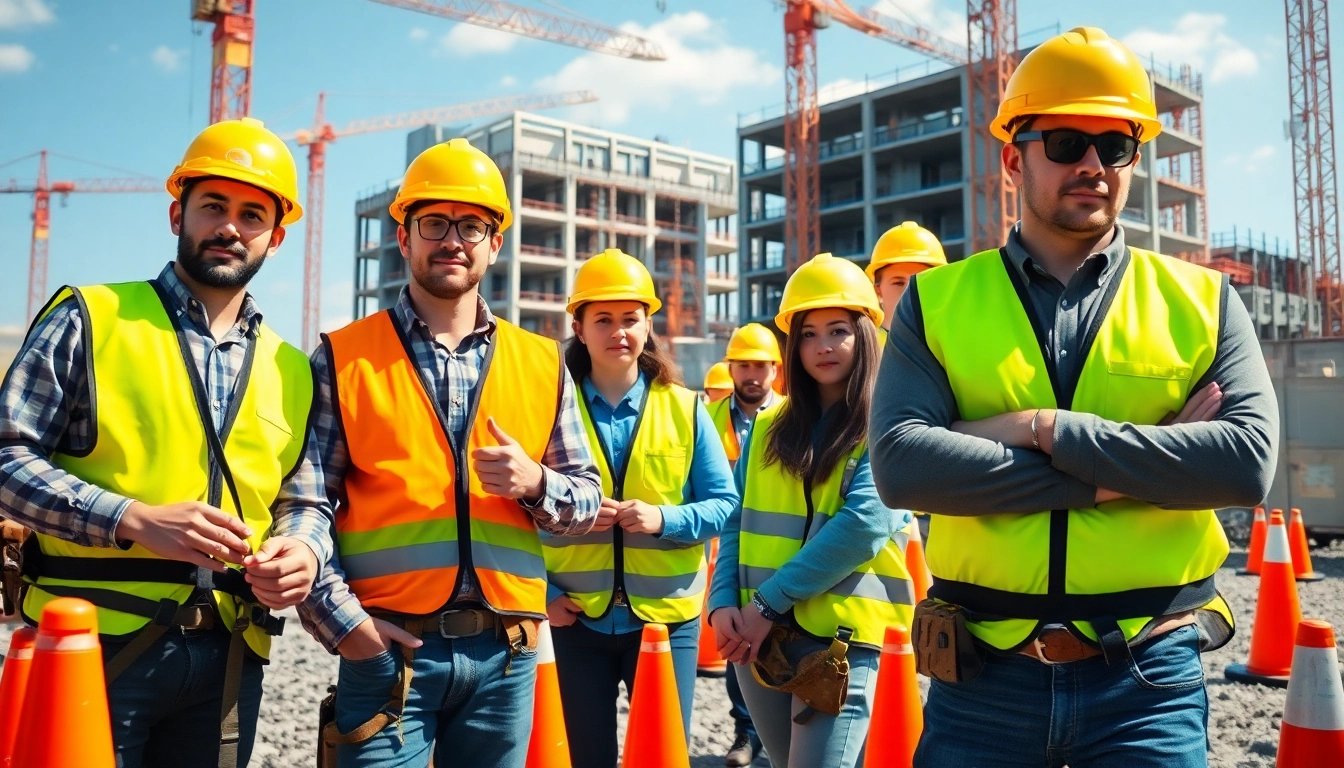
Understanding Construction Site Safety
Defining Construction Site Safety
Construction site safety encompasses a set of regulations, practices, and protocols developed to minimize hazards associated with building projects. This includes identifying risks, using safety gear, and implementing procedures designed to protect workers and the surrounding environment from accidents and injuries. A comprehensive understanding of safety not only ensures compliance but also cultivates a culture of health and security on-site.
Importance of Safety in Construction
The significance of construction site safety cannot be overstated. Prioritizing safety benefits not only the workforce but also the overall productivity and reputation of the project. Effective safety measures lead to a reduction in accidents, lower insurance premiums, and a more motivated workforce. Additionally, maintaining adherence to construction site safety standards aids in ensuring compliance with legal requirements and helps avoid costly delays due to accidents or injuries, promoting a smoother operational flow.
Common Safety Risks on Construction Sites
Construction sites present a variety of risks that can lead to serious incidents. The most common hazards include:
- Falls: Often the leading cause of injuries, falls can occur from heights, ladders, or scaffolding.
- Electrical Hazards: Risks associated with live wires, poor wiring, or equipment malfunctions can result in severe injuries.
- Equipment Accidents: Heavy machinery poses significant threats if not operated correctly.
- Exposure to Harmful Materials: Workers may be exposed to toxic substances, leading to long-term health issues.
Key Components of Construction Site Safety
Protective Gear and Equipment
Personal protective equipment (PPE) is a foundational element of construction site safety. Essential components include:
- Hard Hats: Protect against head injuries from impacts or falls.
- Safety Glasses: Shield eyes from dust, debris, and flying objects.
- Protective Gloves: Guard hands during material handling and equipment operation.
- High-Visibility Vests: Ensure workers are easily seen to prevent accidents.
- Steel-Toed Boots: Protect feet from heavy objects or punctures.
Proper training on the selection and usage of PPE ensures that workers are well-equipped to handle potential hazards.
Training and Certification Programs
Regular training and certification programs are crucial to keeping workers aware of safety protocols and updates in regulations. These programs typically cover:
- Safe operation of machinery and tools
- First aid and emergency response procedures
- Recognizing hazards and reporting unsafe conditions
- The importance of using PPE correctly
Employers should ensure that all employees undergo safety training during onboarding and are refreshed regularly with new or updated safety information.
Safety Protocols and Procedures
Establishing clear safety protocols is essential for creating a safe working environment. These should include:
- Detailed site safety plans
- Emergency response plans outlining procedures for various types of accidents
- Daily safety briefings that reinforce safety practices for all workers
Documenting all safety protocols helps maintain clarity and accountability while fostering a culture of safety on the construction site.
Best Practices for Enhancing Construction Site Safety
Regular Safety Inspections
Conducting regular safety inspections is one of the best practices to identify potential hazards and ensure compliance with safety standards. Inspections should include:
- Assessing equipment and tools for any signs of damage or wear
- Reviewing safety protocol adherence among workers
- Identifying new hazards that may arise as the project progresses
Engaging workers in these inspections can provide valuable insights and foster a shared responsibility for safety.
Implementing Safety Technology
The integration of technology into construction site safety can significantly enhance monitoring and compliance. Examples include:
- Drones: Used for aerial site assessments to identify hazards from above.
- Wearable Safety Devices: Monitor worker health metrics and location for real-time alerts of potential dangers.
- Safety Management Apps: Facilitate streamlined reporting of hazards and safety audits.
By utilizing these technologies, construction companies can increase their responsiveness to incidents and improve overall safety performance.
Emergency Preparedness and Response
Preparing for emergencies is crucial in maintaining a safe construction environment. This includes:
- Creating an emergency plan that outlines steps for various hazards
- Designating emergency roles for workers
- Conducting regular drills to practice the response to emergencies
Having a well-organized emergency response plan minimizes confusion and strengthens the overall safety culture on site.
Case Studies: Successful Construction Safety Protocols
Innovations in Safety Equipment
Several companies have successfully implemented innovations in safety equipment that set industry standards. For instance:
A construction firm developed an advanced scaffolding system that incorporates guardrails and built-in fall detection technology, significantly reducing fall incidents. This exemplifies how engineering solutions can enhance safety while increasing productivity.
Community Awareness Programs
Community engagement can play a vital role in safety. Programs that educate local communities on ongoing projects can help to:
- Ensure public awareness of potential hazards
- Encourage local stakeholder involvement in safety discussions and initiatives
This proactive approach not only safeguards the community but also reinforces the contractor’s commitment to safety.
Leadership Commitment to Safety
Effective safety protocols can only thrive with strong leadership support. Leaders who prioritize safety create a culture where every employee feels empowered to advocate for safe practices. Notable practices include:
- Regularly communicating the importance of safety to all workers
- Leading by example by adhering to safety protocols
- Recognizing and rewarding safe behaviors among staff
Such leadership initiatives foster an environment of shared accountability and enhance overall site safety.
Future Trends in Construction Site Safety
Advancements in Safety Regulation Compliance
The landscape of construction safety regulations is always evolving. Future trends will likely include stricter compliance measures enforced through advanced technologies, such as:
- Automated compliance verification systems
- Data analytics to predict and prevent safety incidents
These advancements will require construction firms to stay updated with evolving regulations and practices.
Integration of Technology in Safety Practices
The future of construction safety will increasingly hinge on the integration of technology. Emerging tools that may reshape safety include:
- Artificial intelligence for real-time hazard assessments
- Blockchain for transparent safety compliance tracking
- IoT-enabled sensors to monitor conditions across sites
These technologies enable a proactive approach to safety, further minimizing risks.
Workforce Engagement in Safety Culture
As the construction industry evolves, the engagement of the workforce in safety culture will become pivotal. Strategies that may enhance engagement include:
- Involvement in safety committees and meetings
- Implementing feedback loops where workers can share safety concerns without fear
By involving workers in safety discussions and decision-making, companies can cultivate a deeper commitment to safety practices across the board.
Frequently Asked Questions
What is construction site safety?
Construction site safety refers to practices and protocols designed to prevent accidents and injuries on construction sites.
Why is construction site safety important?
It is crucial to protect workers, reduce liability, and ensure project timelines and budgets are adhered to without costly disruptions.
What protective gear is essential on construction sites?
Essential gear includes hard hats, safety glasses, protective gloves, vests, and suitable footwear to minimize injury risks.
How can technology improve construction site safety?
Technology like drones, safety monitoring apps, and wearable devices can enhance safety by improving site surveillance and safety compliance tracking.
What are common risks encountered on construction sites?
Common risks include falls, electrical hazards, equipment accidents, and exposure to harmful materials, all of which need proactive management.