
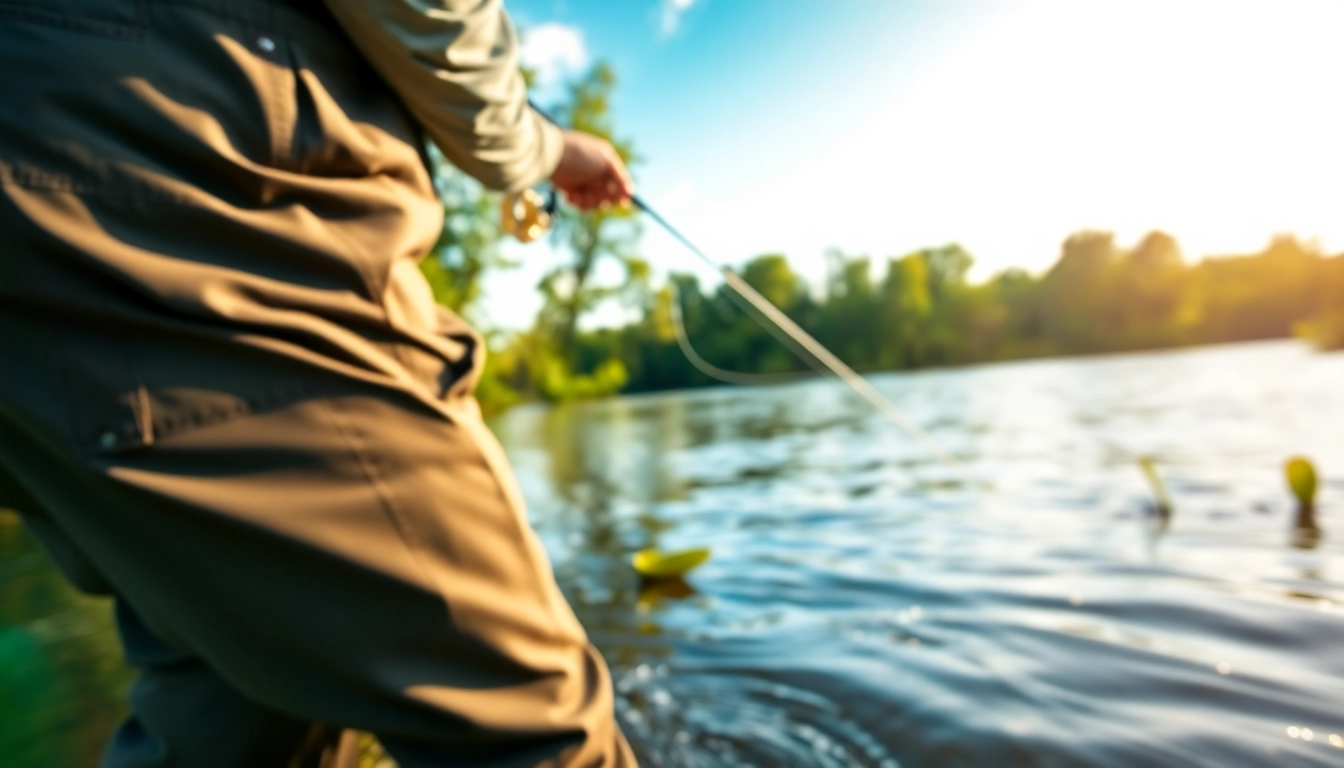
Understanding Fly Fishing Waders
What Are Fly Fishing Waders?
Fly fishing waders, an essential piece of equipment for enthusiasts, are waterproof garments designed to keep anglers dry while they wade through streams, rivers, or lakes. They are typically made from durable materials that offer both comfort and protection against the elements, enabling fishers to access deeper waters where fish may be lurking. Understanding the variety and functionality of fly fishing waders can greatly enhance one’s fishing experience, ensuring comfort and effectiveness during long hours spent outdoors. Fly fishing waders come in various styles and designs, each catering to specific fishing conditions and personal preferences.
Types of Fly Fishing Waders
There are primarily three types of fly fishing waders available on the market: bootfoot waders, stockingfoot waders, and convertible waders.
- Bootfoot Waders: These waders come with built-in boots, making them convenient for quick deployment. However, their bulkiness can make them less comfortable for long-term wear.
- Stockingfoot Waders: Designed without integrated boots, stockingfoot waders require the use of separate wading shoes. This feature allows for a more customized fit and greater comfort during prolonged fishing sessions.
- Convertible Waders: Offering versatile options, convertible waders can be worn as pants or shorts, making them suitable for varying weather conditions and temperatures.
Benefits of Using Fly Fishing Waders
The primary benefits of using fly fishing waders include:
- Protection: Waders shield against cold water and harsh weather conditions, allowing for longer fishing excursions.
- Mobility: Waders enhance mobility by providing a full range of motion, which is crucial when navigating rocky or uneven terrain.
- Comfort: Many waders are designed with adjustable straps and breathable materials that prevent overheating, ensuring comfort throughout the day.
- Storage: Waders often come equipped with pockets for tools and accessories, keeping essential items within reach.
Key Features to Consider in Fly Fishing Waders
Material and Construction Quality
The construction quality of fly fishing waders directly affects performance, comfort, and durability. Common materials include nylon, neoprene, and breathable fabrics. Nylon waders are lightweight and quick-drying, making them ideal for warmer climates, while neoprene waders provide excellent insulation in cold water. Breathable waders allow moisture to escape without letting water in, offering comfort during strenuous activities.
Fit and Size
Achieving the right fit is pivotal for comfort and effectiveness. Waders that are too loose can allow cold water to seep in, while those that are too tight can restrict movement. Manufacturers typically provide sizing charts, which should be consulted to ensure an accurate fit based on individual body measurements.
Pocket and Storage Options
Practicality is essential when selecting fly fishing waders. Features like pockets, tool holders, and waterproof compartments can tremendously improve the angling experience. Some waders offer integrated storage for fly boxes and tools, ensuring that you have everything you need within arm’s reach, promoting efficiency during your fishing endeavors.
Choosing the Right Fit for Fly Fishing Waders
Measuring Yourself Correctly
To ensure a proper fit, accurate measuring is crucial. Determine your chest, waist, hip, inseam, and foot size. When taking measurements, wear appropriate clothing to mimic the layers you’ll be using under the waders. Remember to refer to size charts provided by manufacturers, which can vary significantly.
Common Sizing Issues
Sizing issues often arise due to variations in manufacturer sizing, resulting in waders that may fit well in one brand but not in another. Additionally, factors like height and body type can lead to discomfort if not accurately considered. To mitigate sizing problems, always try on different brands and styles before purchasing, if possible.
Adjustability Features Explained
Many modern fly fishing waders incorporate adjustable straps and belts, allowing for personalized fit adjustments. These features can help accommodate layers worn underneath and prevent waders from slipping down during movement. Ensure that the adjustability of waders is adequate for your body type to avoid discomfort during use.
Maintaining Your Fly Fishing Waders
Cleaning Techniques
Proper maintenance extends the life of your fly fishing waders. Rinse them with fresh water to remove dirt, salt, or debris after each use. For a thorough clean, utilize a gentle detergent and a soft sponge, avoiding harsh chemicals that could damage the material.
Storing Your Waders
Waders should be stored in a cool, dry place away from direct sunlight to prevent degradation. Hanging them up or keeping them in a breathable bag can help retain their shape and prevent creases that may lead to leaks.
Repairing Common Wader Issues
Waders may develop leaks over time due to wear and tear. Small holes can often be patched with repair kits that are available at most outdoor retailers. Use the appropriate adhesive and follow the instructions carefully to ensure a robust repair.
FAQs About Fly Fishing Waders
What materials are best for fly fishing waders?
The best materials include breathable fabrics for warm weather, neoprene for cold water insulation, and nylon for lightweight options. Consider the fishing conditions when choosing.
How do I choose the right fly fishing waders for different conditions?
Select waders based on water temperature, air conditions, and your activity level. Neoprene is best for cold climates, while breathable fabrics suit warmer weather.
Can I wear regular clothes underneath my waders?
Yes, wearing moisture-wicking and insulating layers underneath your waders can enhance comfort. Avoid cotton, as it retains moisture and can lead to discomfort.
How can I tell if my fly fishing waders fit properly?
Your waders should feel snug but not restrictive. Check that you’re able to move freely without the waistband slipping down or causing discomfort while walking.
What is the best way to care for fly fishing waders?
Care involves rinsing after use, cleaning with mild detergent, storing in a cool area, and repairing any damages promptly to extend their lifespan.